English
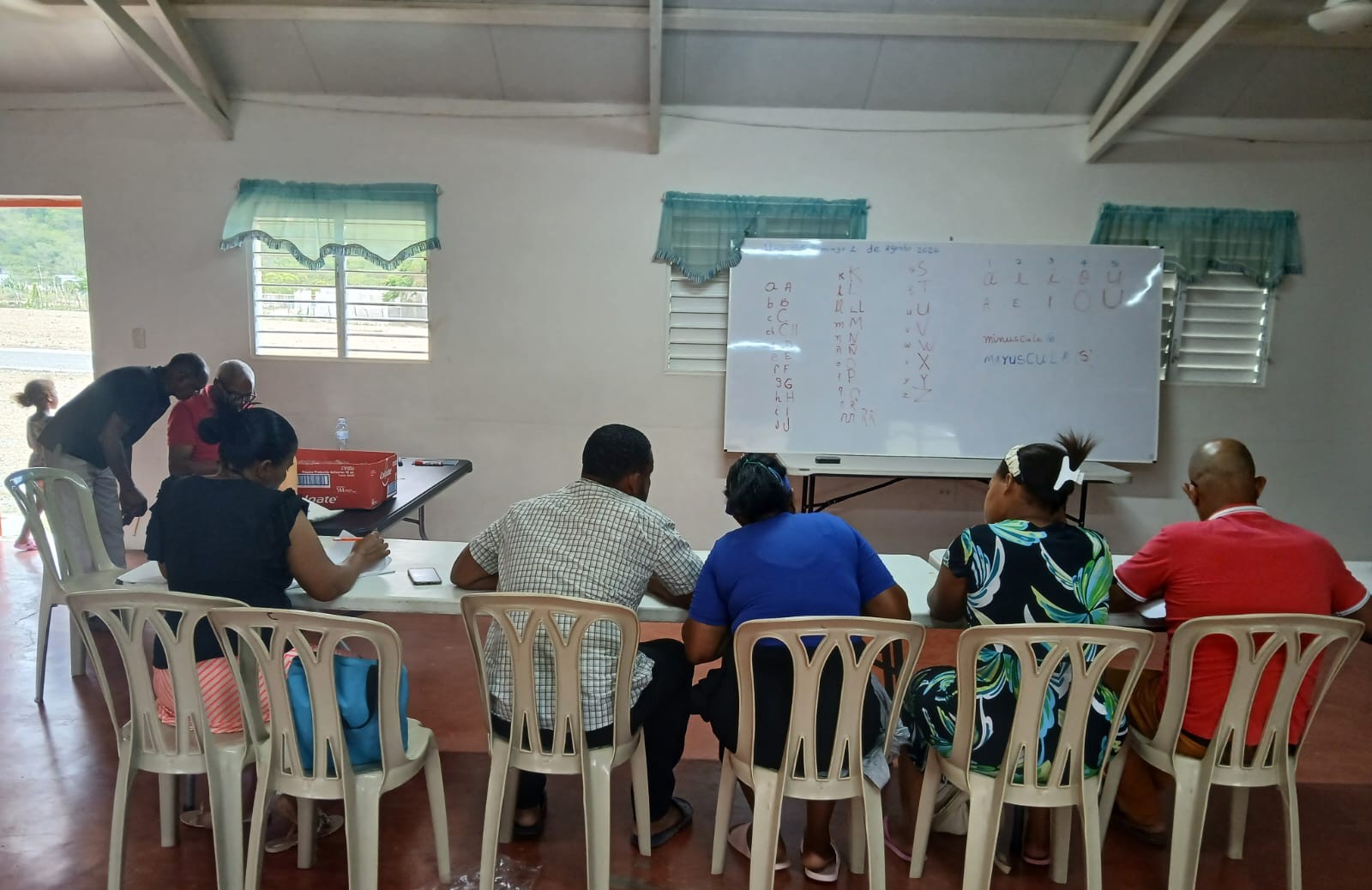
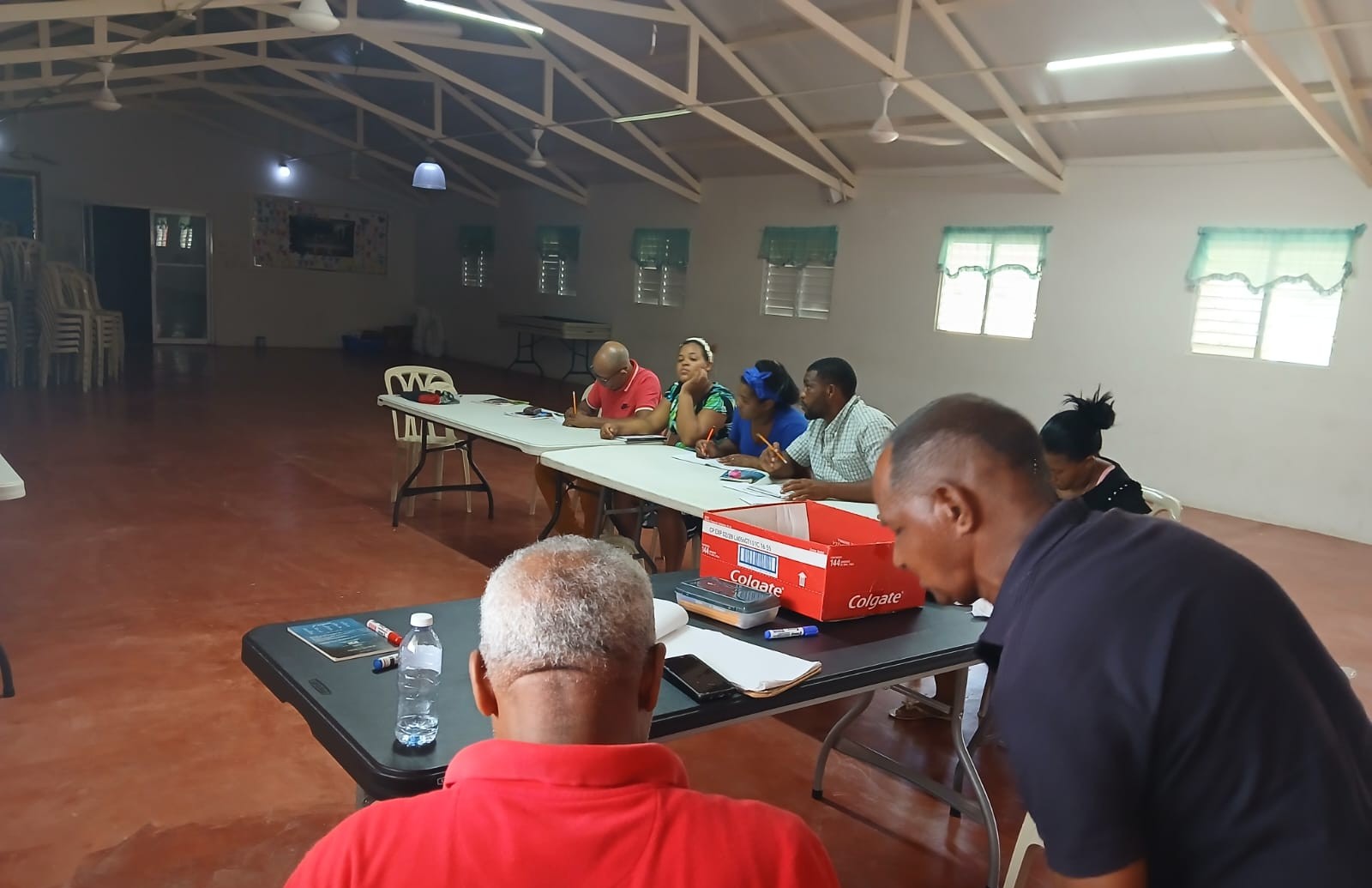
On Sunday, August 2, 2026, our literacy school met again in El Carrizal. The group is made up of adults who never had the chance to learn to read and write, and who now sit down each week with a notebook, a pencil, and the alphabet written out on the board in front of them.
That morning the lesson was the basics: the vowels, the letters of the alphabet, and the difference between lowercase and uppercase. It sounds simple, and for many people it is. For someone holding a pencil for the first time at fifty or sixty years old, each letter takes patience, and getting it wrong in front of other people takes courage.
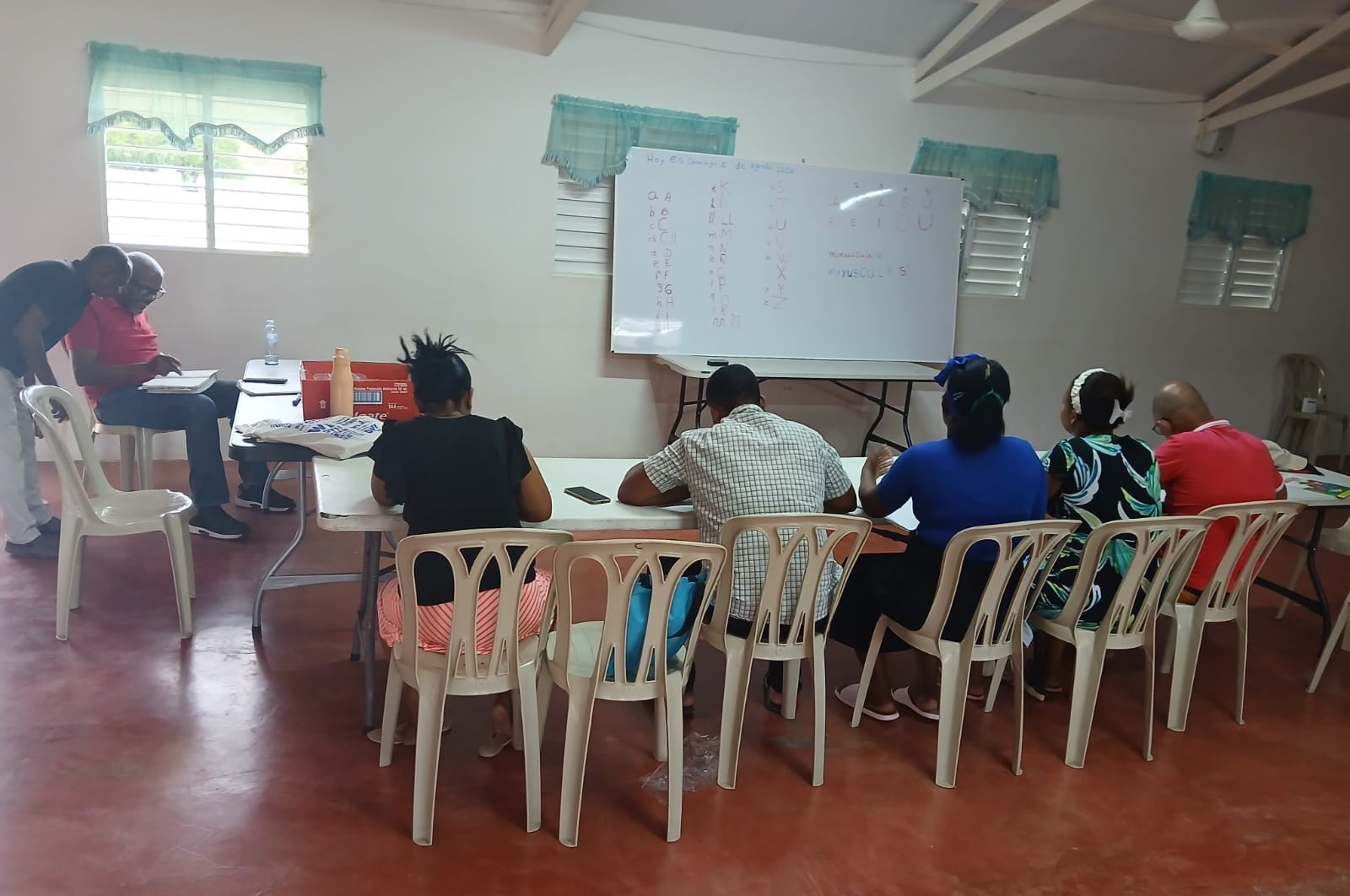
The literacy class gathered in El Carrizal
Learning to read as an adult is slow work, and the class moves at that pace, with some students arriving tired after a long day and others missing a week and having to catch up. Progress gets measured in small things like a name written without help, a word read out loud correctly on the first try, or a sentence copied cleanly from the board. Nobody in that room is going to be reading fluently by next month and they all know it, but they keep coming anyway.
The class is taught by Paulino Susaña, the pastor of the church in El Carrizal and a teacher by profession, and he runs it on his own without an assistant. He goes from table to table checking notebooks, correcting a letter or repeating a sound as many times as it takes, and much of what his students learn there comes less from technique than from having someone beside them who keeps telling them they are able to do it.
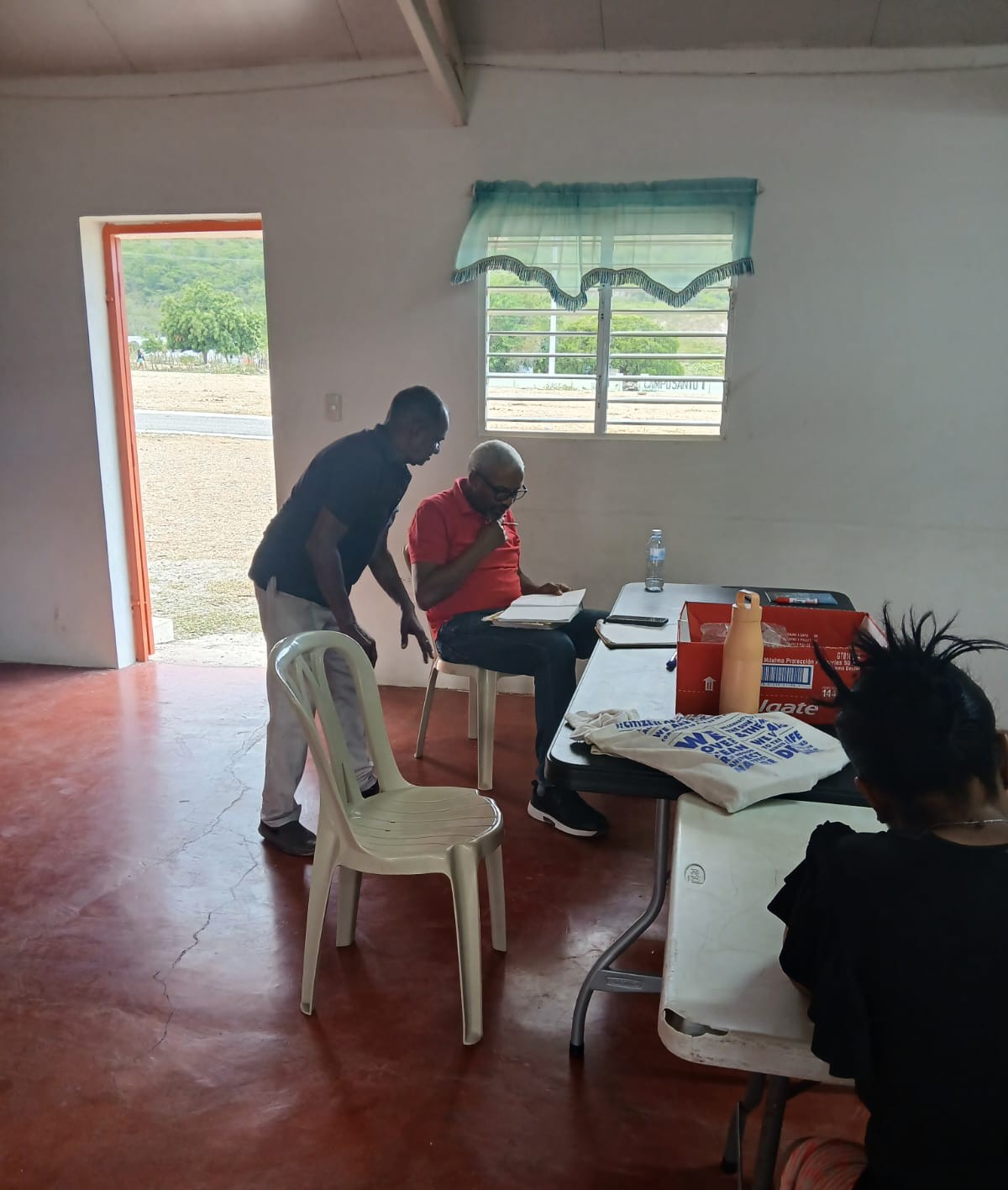
One student at a time, notebook by notebook
What reading changes is mostly ordinary, and that is exactly the point of these classes. It means signing your own name at the clinic instead of marking an X, reading a message from a son who moved away without having to hand the phone to somebody else, and following along in your own Bible on Sunday instead of waiting for another person to read it out loud.
Thank you for supporting this school, because the notebooks, the pencils, the markers and the room where the class meets are all there for one simple reason, which is that someone decided to give.
"Let the wise listen and add to their learning, and let the discerning get guidance." Proverbs 1:5
Español
El domingo 2 de agosto de 2026, nuestra escuela de alfabetización volvió a reunirse en El Carrizal. El grupo está formado por adultos que nunca tuvieron la oportunidad de aprender a leer y escribir, y que hoy se sientan cada semana con un cuaderno, un lápiz y el alfabeto escrito en la pizarra frente a ellos.
Esa mañana la clase fue lo básico: las vocales, las letras del alfabeto y la diferencia entre minúsculas y mayúsculas. Suena sencillo, y para muchas personas lo es. Para alguien que toma un lápiz por primera vez a los cincuenta o sesenta años, cada letra requiere paciencia, y equivocarse delante de otros requiere valor.
La clase de alfabetización reunida en El Carrizal
Aprender a leer siendo adulto es un trabajo lento, y la clase avanza a ese ritmo, con algunos estudiantes que llegan cansados después de un día largo y otros que faltan una semana y tienen que ponerse al día. El avance se mide en cosas pequeñas como un nombre escrito sin ayuda, una palabra leída bien en el primer intento o una oración copiada correctamente de la pizarra. Nadie en ese salón va a leer con fluidez el mes que viene y todos lo saben, pero aun así siguen viniendo.
Quien da la clase es Paulino Susaña, pastor de la iglesia de El Carrizal y maestro de profesión, y la atiende él solo, sin ayudante. Pasa de mesa en mesa revisando los cuadernos, corrigiendo una letra o repitiendo un sonido las veces que haga falta, y buena parte de lo que sus estudiantes aprenden ahí no viene tanto de la técnica como de tener a alguien al lado que les repita que sí pueden.
Un estudiante a la vez, cuaderno por cuaderno
Lo que la lectura cambia es casi todo cotidiano, y ahí está justamente el sentido de estas clases. Significa firmar con su propio nombre en el centro de salud en lugar de marcar una X, leer el mensaje de un hijo que se fue lejos sin tener que entregarle el teléfono a otra persona, y seguir la lectura en su propia Biblia el domingo en vez de esperar a que alguien más la lea en voz alta.
Gracias por apoyar esta escuela, porque los cuadernos, los lápices, los marcadores y el salón donde se reúne la clase están ahí por una razón sencilla, y es que alguien decidió dar.
"Oirá el sabio y aumentará el saber, y el entendido adquirirá consejo." Proverbios 1:5